
In 2026 you can make a game with AI without knowing how to code. A teenager working with a parent, a parent who wants a weekend project with their kids, or a college student who needs a portfolio piece can describe a game in plain English and have something playable in a browser the same afternoon.
What hasn’t changed: small, well-scoped games get finished, and big vague ones don’t. This guide is the workflow we use, end to end.
Our evidence is Noggles.online, a collection of free browser games and apps built by our team with Claude Code. No downloads, sign-ups or ads, and they work with touch, keyboard or a controller. You will see real prompts from that work below.
Who this is for
- Parents with kids. A 12- or 14-year-old can do this with a parent beside them: the child designs, the parent helps read the plan and keeps the scope sane.
- Teenagers who want to build rather than only play. Our guide to vibe coding for teenagers covers the safe setup.
- College students. A finished, playable browser game is a strong portfolio project, far better than another to-do app. See AI prompting for college students.
- Indie developers who want to prototype ten ideas in the time one used to take.
Step 1: pick an idea small enough to finish
Good first games have one screen, one core action and a clear win or lose. A match-3 puzzle. A top-down shooter. A golf game with three holes. Bad first games are “an open world like GTA”. Our own Nouns City, a 3D open-world life sim, came after many smaller builds.
I want to make a browser game. My idea: [describe it in 2-3 sentences]. I am a beginner and want something playable in one afternoon. Cut this down to the smallest version that is still fun: one level, one core action, a clear win and lose condition. List what we cut and why. Do not write code yet.
Step 2: choose your model honestly
The two models people ask us about are Claude Opus 5.5, used through Claude Code, and GPT-6 Astra, used through Codex or ChatGPT. Both can build a browser game from a description. Here is what is actually confirmed about each.
| Claude Opus 5.5 | GPT-6 Astra | |
|---|---|---|
| Maker | Anthropic | OpenAI |
| Released | 22 September 2026 | 3 September 2026 |
| Where you build games with it | Claude Code (default model on paid plans), plus the Claude apps | Codex and ChatGPT Work; in regular Chat on Pro |
| Cheapest plan that includes it | Claude Pro: US$20/month billed monthly (US$17 on annual billing) | ChatGPT Plus (the US$20 tier): Astra in Work and Codex, with a limited allowance |
| API price per million tokens (in / out) | US$4 / US$20 | US$10 / US$50 |
| Context window | 1M tokens | 1,050,000 tokens (922K input) |
| What it is known for | Long, multi-step agentic coding jobs | Long-horizon agent work, computer use; built-in image generation tool in the API |
Sources: Anthropic Opus 5.5 page, claude.com/pricing, Claude Code model docs, OpenAI model docs, OpenAI games guide, Notebookcheck and Digital Trends on Plus access (September 2026). Checked 24 November 2026. Prices exclude tax and are billed in US dollars.
Our honest read: for a beginner, the bigger factor is which subscription you already pay for. Opus 5.5 is cheaper per token; Astra is strong on long agent sessions, and OpenAI has published a game-building guide for it. If you are deciding between Claude models, read Sonnet 5.5 vs Opus 5.5. For Astra, start with GPT-6 Astra explained and what people built with it.
Step 3: the plan-first loop we used for Noggles
Every game on Noggles started the same way: a short brief that ended with “plan and propose first”. This was our first prompt, for what became Nouns Brawl, a 3D voxel fighter:
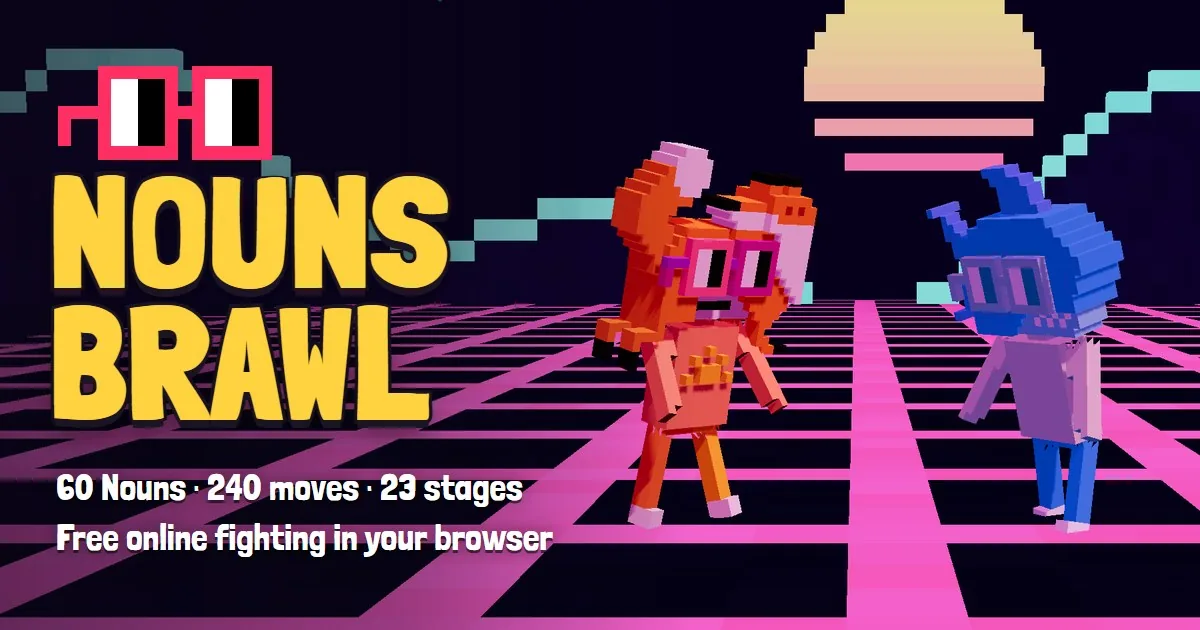
Using these FBX characters, build a 3D fighting game where each character has special moves. Plan and propose first before we proceed. The game has to be playable in the browser, so use three.js.
Once the first version ran, we didn’t write a new spec. We played it and pushed:
Add a winning cut scene and a finishing move per character. Add combos. Add online play. Keep iterating and keep improving it.
Then the next game, with the same opening move:
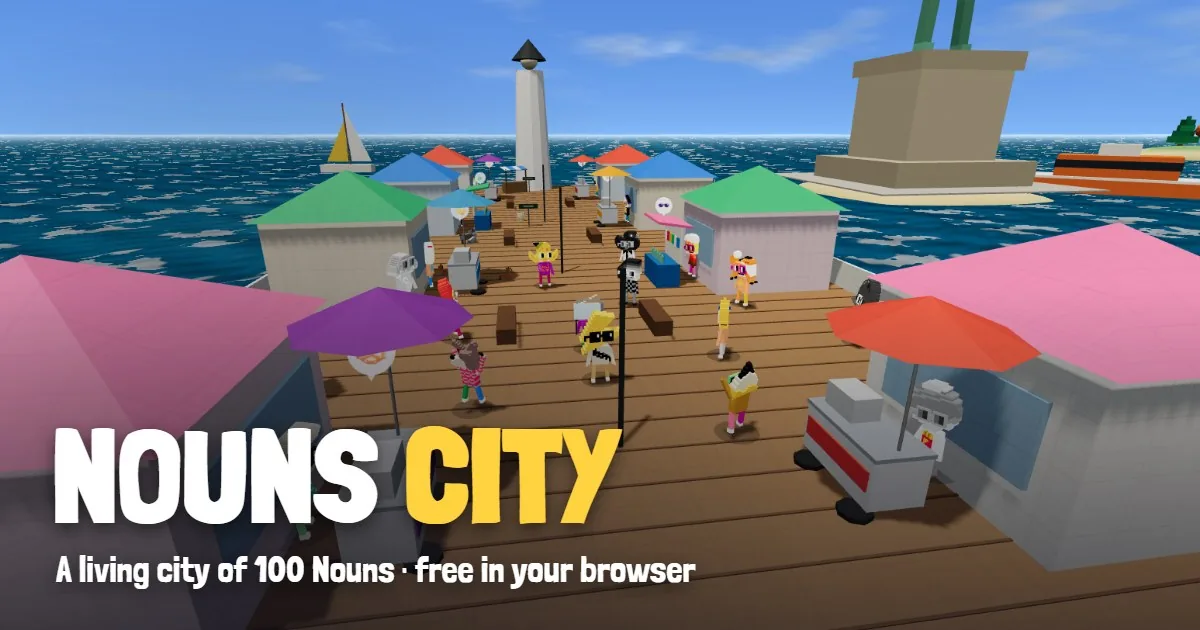
Create another new game where the player explores Nouns City. Plan and propose first. I want it to feel like a living world where each Noun has a role, task and interactions.
The loop, every time
- 1Pitch it in five linesGenre, camera, controls, how you win, how you lose. If you can’t say it in five lines, the game is too big for a first build.
- 2Ask for a plan, not codeEnd the prompt with “Plan and propose first.” Read the plan. Cut features before a single file exists.
- 3Build the smallest playable sliceOne level, one character, one enemy. It must run in the browser and be playable in under five minutes.
- 4Play it yourself, on a phone tooFive minutes of play finds more than an hour of reading code. Note what feels wrong, not just what crashes.
- 5Report like a testerWhat you did, what you expected, what happened, on which device. One bug at a time.
- 6Repeat, then publishAdd one feature per round. When friends ask to play it again, put it online.
OpenAI’s own Astra game guide lands on the same idea from the other side: describe the experience the player should have, let the model propose the architecture, then iterate from play feedback. You are the designer and tester; the AI is the programmer.
Step 4: scope like a producer
The model will happily say yes to everything. Your job is to say no. Fix a performance budget early (“must hold 60 fps on a mid-range Android phone”), fix the controls, and add one feature per round. When something breaks, report it precisely.
Bug: on my phone (Android, Chrome), when I jump and press attack at the same time, the character freezes for about 2 seconds. Expected: the air attack plays immediately. Steps: start level 1, jump, tap attack while in the air. It does not happen on desktop with the keyboard. Find the cause before changing code, explain it in two sentences, then fix it and tell me how to confirm the fix.
Step 5: assets without the legal headache
Art is where beginners get stuck, and where copyright trouble starts. Our shortcut was the Nouns: the Nouns project releases its characters under CC0, a “no rights reserved” licence that puts the art in the public domain. That is why every Noggles game can star the same cast. Look for CC0 or clearly licensed asset packs, and never feed the model sprites ripped from a commercial game.
You can also have Claude make your own assets: our Blender MCP with Claude guide shows how.
For 3D, ask for models in glTF or its single-file binary form, GLB. Khronos designed glTF to keep 3D assets small and quick to load, which matters on a phone. Astra can also generate concept images through its image tool; treat those as references for the look, then build the actual game assets from them.
Before we add art: list every visual asset this game needs (characters, enemies, tiles, UI, effects). For each, suggest whether to use simple coloured shapes, a CC0 asset, or a GLB model, and give a size budget so the whole game loads in under 5 seconds on 4G. Keep placeholder shapes until the gameplay is fun.
Step 6: test on real phones
Most of your players will be on a phone. Test there early, not at the end. Check touch controls with your thumbs, not a mouse, and check portrait and landscape. OpenAI’s guide recommends building inspection hooks and automated browser tests that use the real controls. Ask for both.
Make this game fully playable on a phone: add on-screen touch controls (virtual joystick on the left, two action buttons on the right), support portrait and landscape, and keep keyboard and gamepad controls working. Then add a debug overlay showing fps and object count, toggled with the D key, and write a short checklist I can follow to test it on my phone.
Step 7: publish a browser game
A browser game is just files: HTML, JavaScript and assets. Put them on any static web host and share a link. On our AI Vibe Coding course everything students build gets deployed live on Vercel; Noggles games go one step further and can be installed to a phone’s home screen and played offline. Add that last.
Step 8: what it costs
For a hobby game, a monthly subscription is usually enough: Claude Pro at US$20 a month billed monthly includes Claude Code and Opus models, and ChatGPT Plus at US$20 includes Astra in Codex with a limited allowance. On the API, long agent sessions add up: one reported complex Astra build used about 8 million tokens, roughly US$17 for a single task. Set a monthly cap and stop sessions that wander.
Parents and teachers: keep accounts in an adult’s name, review what gets published, and keep personal details (names, school, photos) out of games and prompts. The AI writes code that works most of the time, so a human still plays and checks every build before others see it.
The rest of this series
- Build a three.js game with Claude Opus 5.5: the Claude Code walkthrough, from plan to playable.
- GPT-6 Astra game development: the same job in Codex, and where Astra shines.
- AI world building: living cities and NPCs: how we approached Nouns City.
- Procedural world generation with AI: endless terrain from a seed.
- AI game development prompts: a copy-and-paste library by genre.
- AI educational games for kids and students: maths, language and learning games.
Learn it with us
New to AI? Start with AI fundamentals for students or what vibe coding is. Going deeper: Mastering Claude & Multi-Agent Orchestration covers Claude Code, and our OpenAI and ChatGPT course covers Codex.
Two hands-on days building working software with Claude Code: describe it, plan it, build it, deploy it live. The same plan-first loop behind our browser games, no coding background needed.
Next public class: 5–6 December 2026 at Worq Subang · seats available
Individuals, students and parents can also join our public classes directly; you don’t need an employer or HRDC to sign up.
HRD Corp claimable. AITraining2U is an HRD Corp registered training provider. Our public and in-house courses are claimable under the HRD Corp Claimable Courses (SBL-KHAS) scheme, and we prepare the grant paperwork with you. See HRDC-claimable AI training: courses, costs and how to claim.