Vibe Coding in Malaysia: Build Real Apps with AI — No Coding Background Needed
Vibe coding lets you describe the app you want in plain English and have AI write the code. In AITraining2U's 2-day AI-native builder workshop you turn an idea into a working, deployed app with Claude Code and Google Antigravity — the fastest way to test an idea, prove it and bring it to life.
Next public cohort: 1–2 October 2026, Worq Subang — seats limited

Choose Your Workshop Date
These are the public cohorts for AI Vibe Coding + Rapid Prototyping — our 2-day AI-native builder programme. HRDC claimable.
Public Training
October 1-2, 2026
Thursday & Friday
Private Training
Custom Dates
Why professionals take this class
What you walk away with
Not theory. Not slides. You leave with working software you built — and the ability to keep building.
Save serious money
Great ideas often stall waiting for budget approval. Prototype and validate them yourself first — for the price of an AI subscription — so development budget goes only to what's already proven to work.
Build your own applications
Dashboards, internal tools, customer-facing prototypes — go from blank screen to a working, deployed product you own. Ideal for testing an idea quickly or shipping the internal tool you never had the bandwidth to build.
Bring your ideas to life
That product you've described for years but never built? Ship a real, clickable version and put it in front of users — instead of leaving it on a someday list.
What is Vibe Coding?
Vibe coding is a term coined by Andrej Karpathy — AI researcher, former Tesla AI director, and OpenAI co-founder — in early 2025. He used it to describe the practice of building software by describing what you want to an AI coding agent in plain English, then letting the AI write the actual code while you review, refine, and direct.
In a vibe coding workflow, you are the architect and the AI is the builder. You decide what the app should do, what it should look like, and how it should behave. The AI translates your vision into functional, deployable code. You don't need to know JavaScript, Python, or SQL. You need to know what you want — which is why our course starts with writing a clear Product Requirements Document (PRD) before a single line of code is generated.
This is a genuine shift in how software gets made. In 2026, Malaysian professionals with no technical background are shipping dashboards, customer portals, booking systems and internal tools — all built through conversation with an AI coding agent.
What Tools Do Vibe Coders Use?
AITraining2U's Vibe Coding course teaches a complete AI coding and deployment stack — the same tools professional AI-native builders use to go from idea to live app:
Claude Code (Anthropic)
Claude Code is Anthropic's AI coding agent. Unlike simple autocomplete tools, it understands your whole project, reads and writes files, runs commands, installs dependencies and iterates on your feedback. On Day 2 of the course you use it to build logic, handle API calls and extend it with Skills, Plugins and MCP connectors.
Google Antigravity, Stitch and AI Studio
Google Antigravity is Google's agent-first development platform: you describe the app and its agents plan, scaffold and build it across the editor, terminal and browser. Google Stitch turns UI ideas and sketches into front-end code, and Google AI Studio is where you prototype with Gemini models. Together they take you from blank screen to a working full-stack scaffold on Day 1.
Supabase, GitHub and Vercel
Supabase gives your app a real database, user sign-in and serverless functions. GitHub stores your code, tracks every change and lets you roll back safely. Vercel publishes your app to a real URL, and with GitHub connected every change you make goes live automatically — no server configuration required.
What Can You Build with Vibe Coding?
The range of apps being built through vibe coding in Malaysia is remarkable. Here are the most common categories we see from AITraining2U Vibe Coding graduates:
- Business dashboards that pull data from Google Sheets, CRMs, or databases and display real-time KPIs
- Customer-facing web apps — booking systems, quote calculators, product configurators
- Internal tools — expense approval portals, HR leave management systems, inventory trackers
- Landing pages and marketing microsites with built-in lead capture
- Loyalty and gamification campaigns — stamp cards, scratch-and-win rewards
- Admin portals for managing orders, customers, or team tasks
- AI-powered forms that analyse user inputs and return personalised recommendations
Here is what that variety actually looks like — a sample of real apps built by vibe coding, each shipped in hours rather than months:
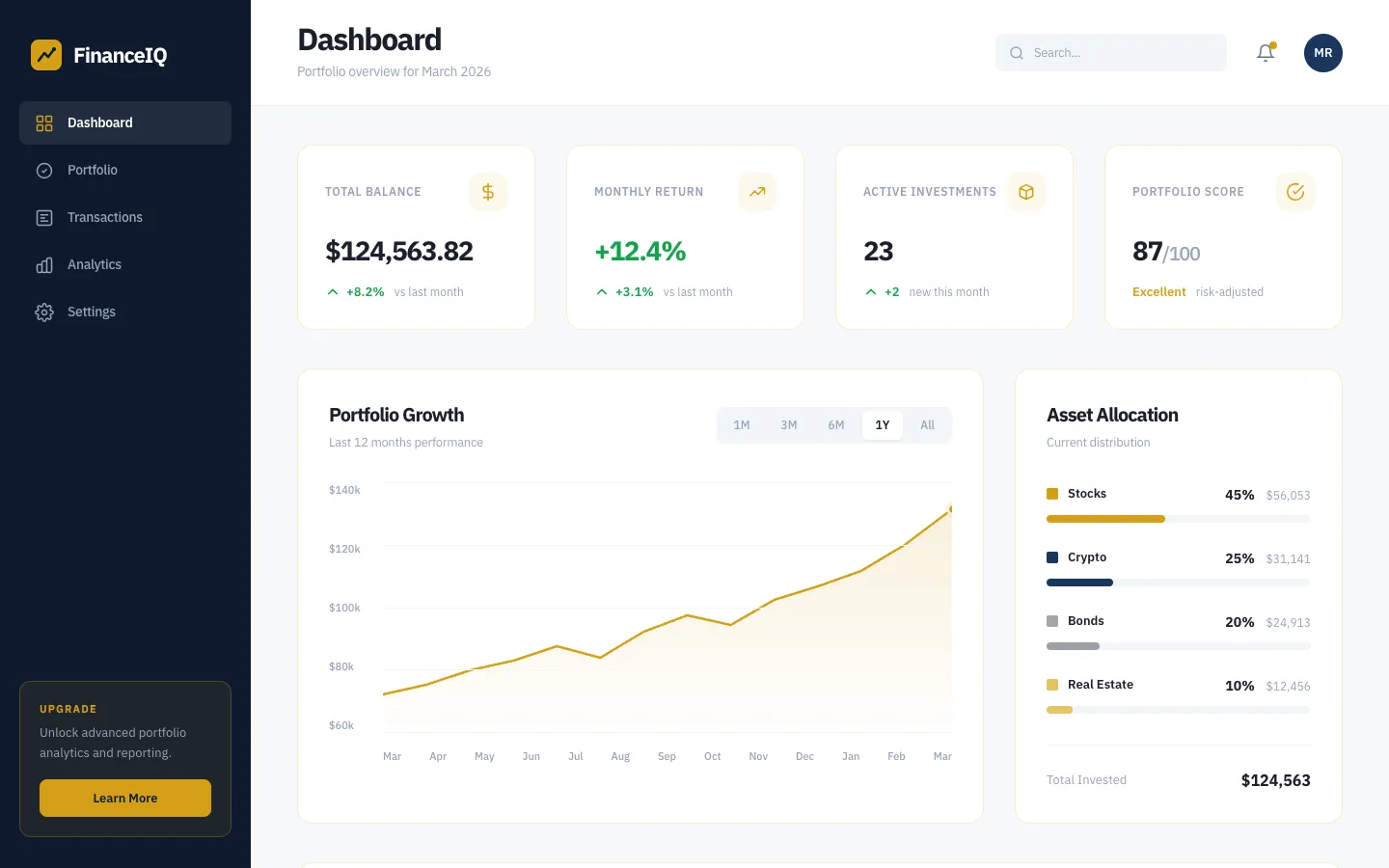
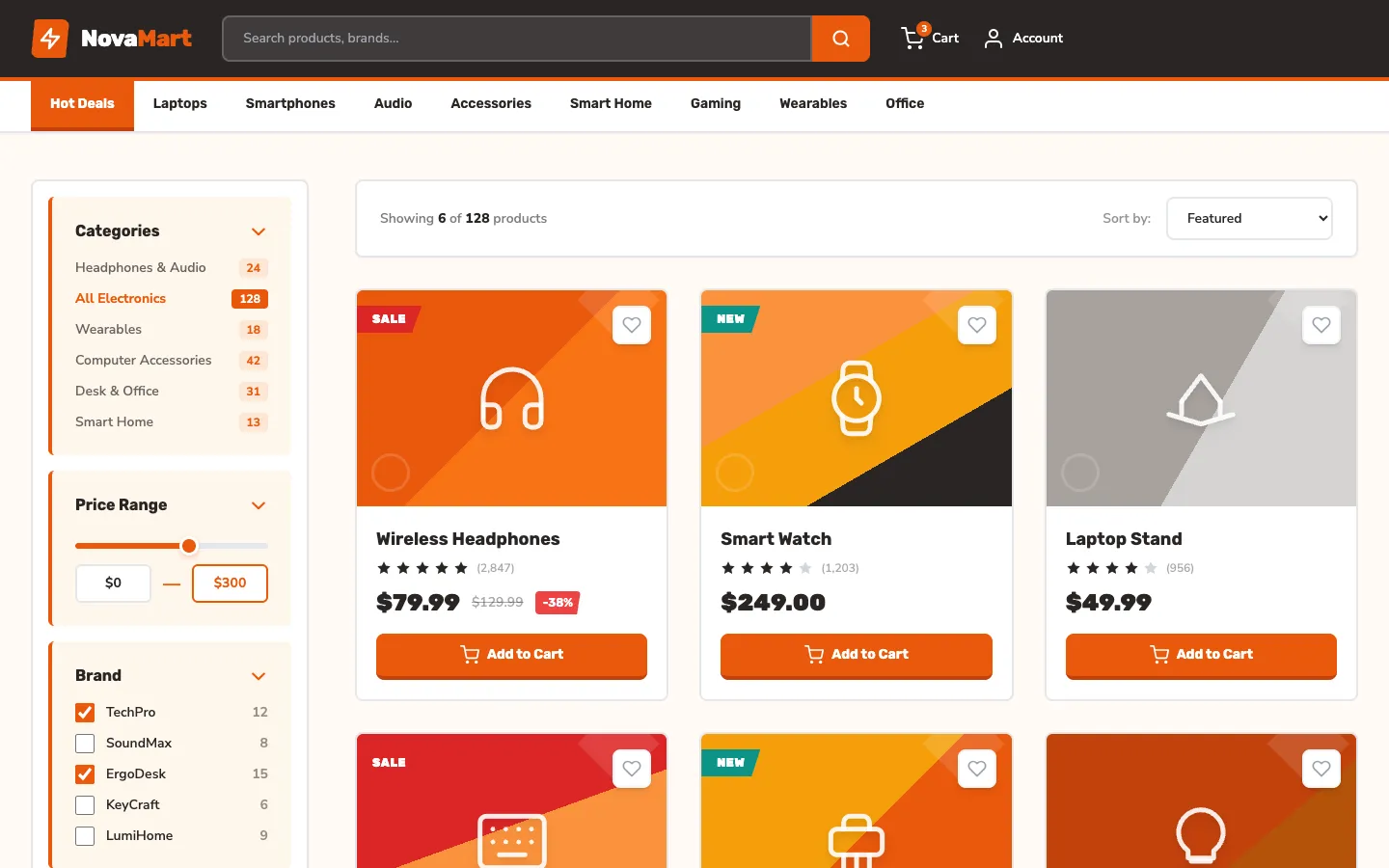
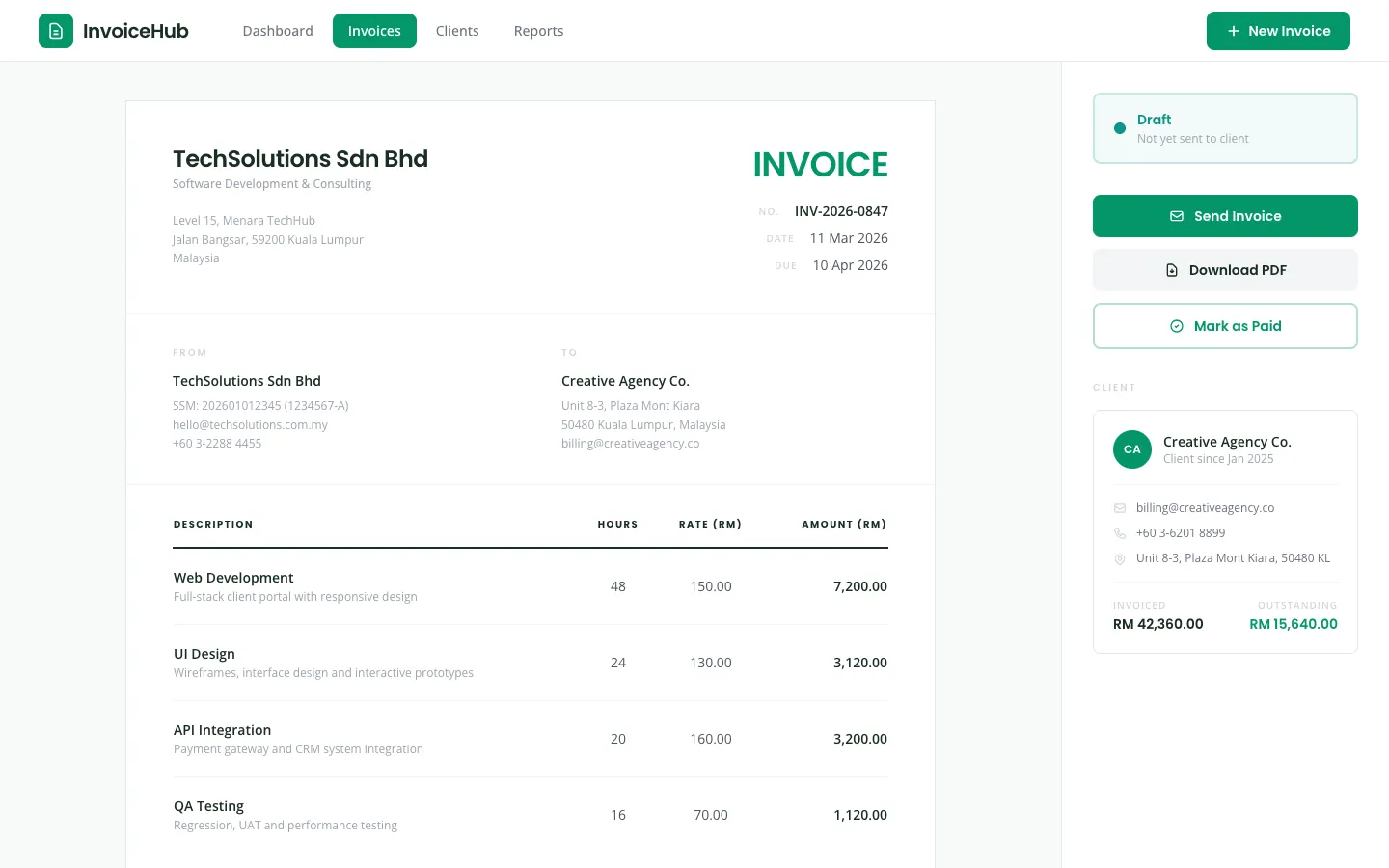
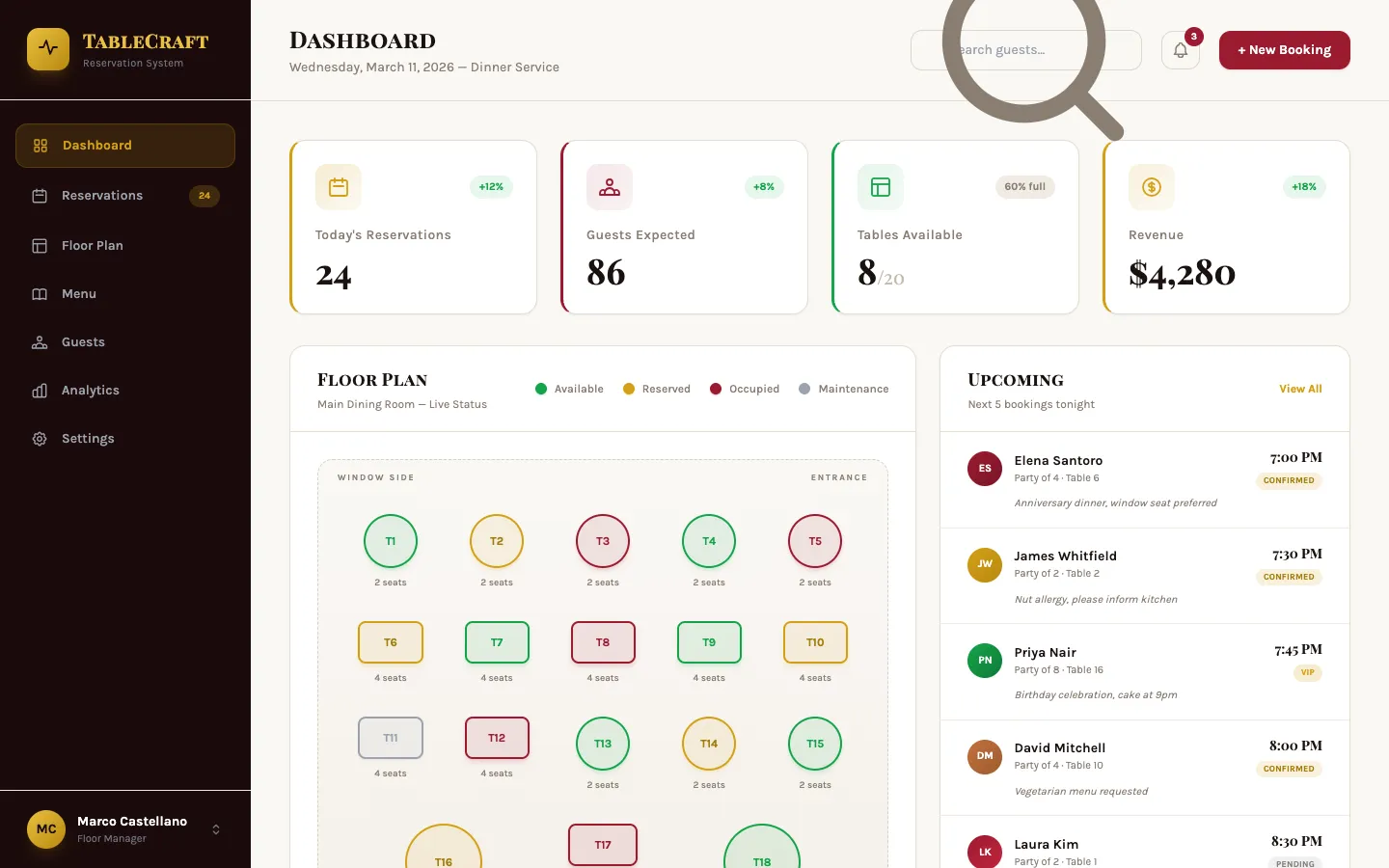
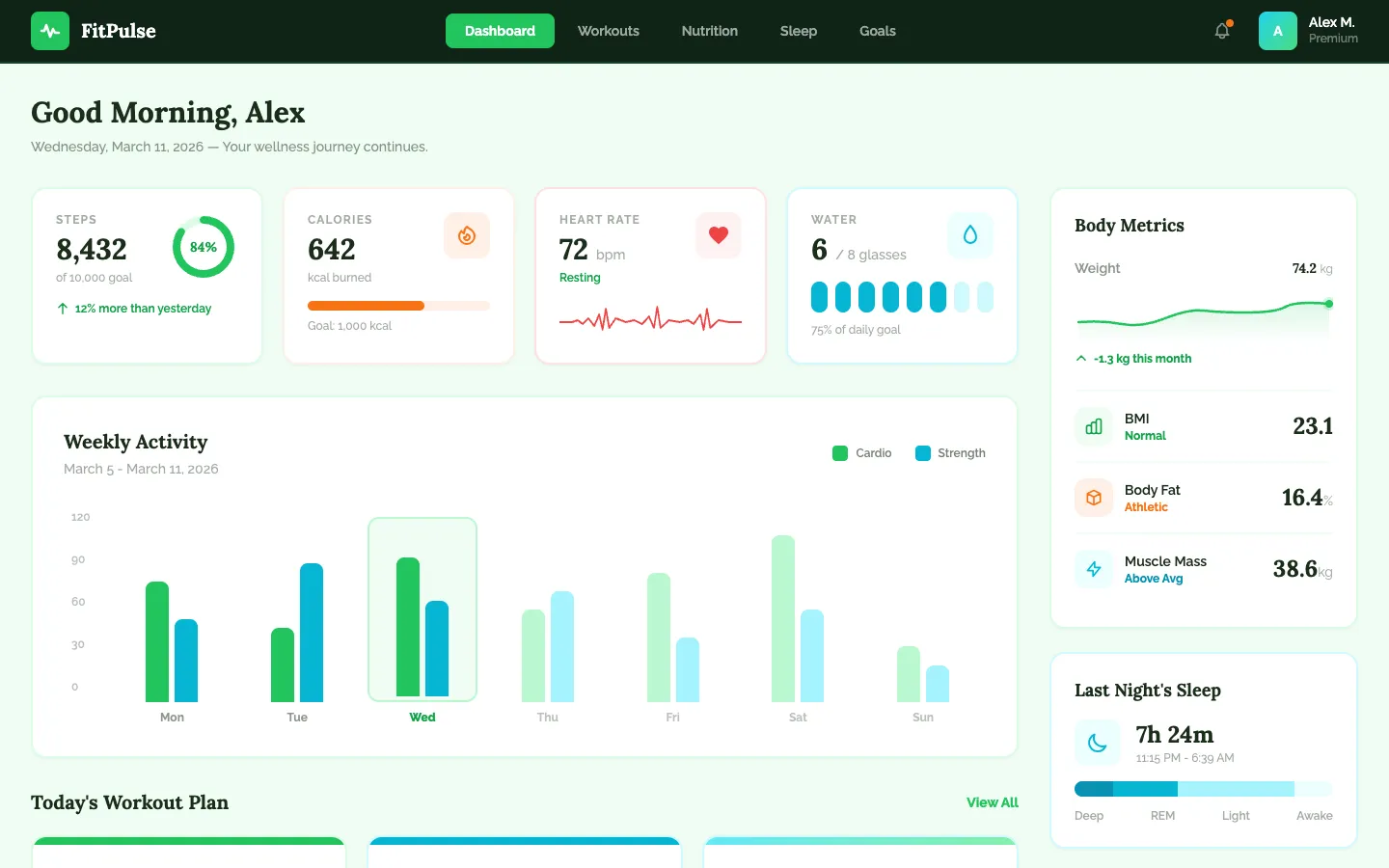
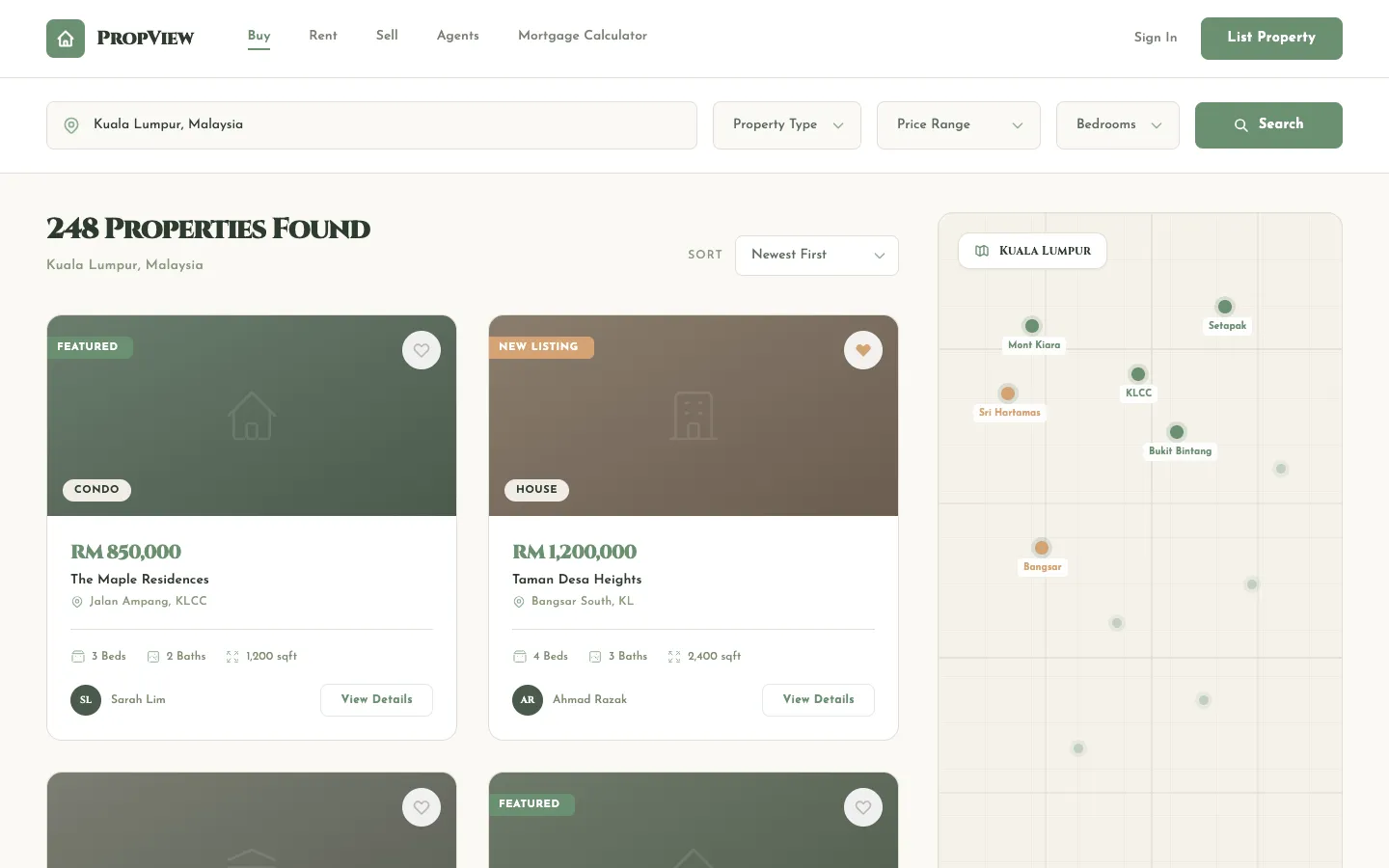
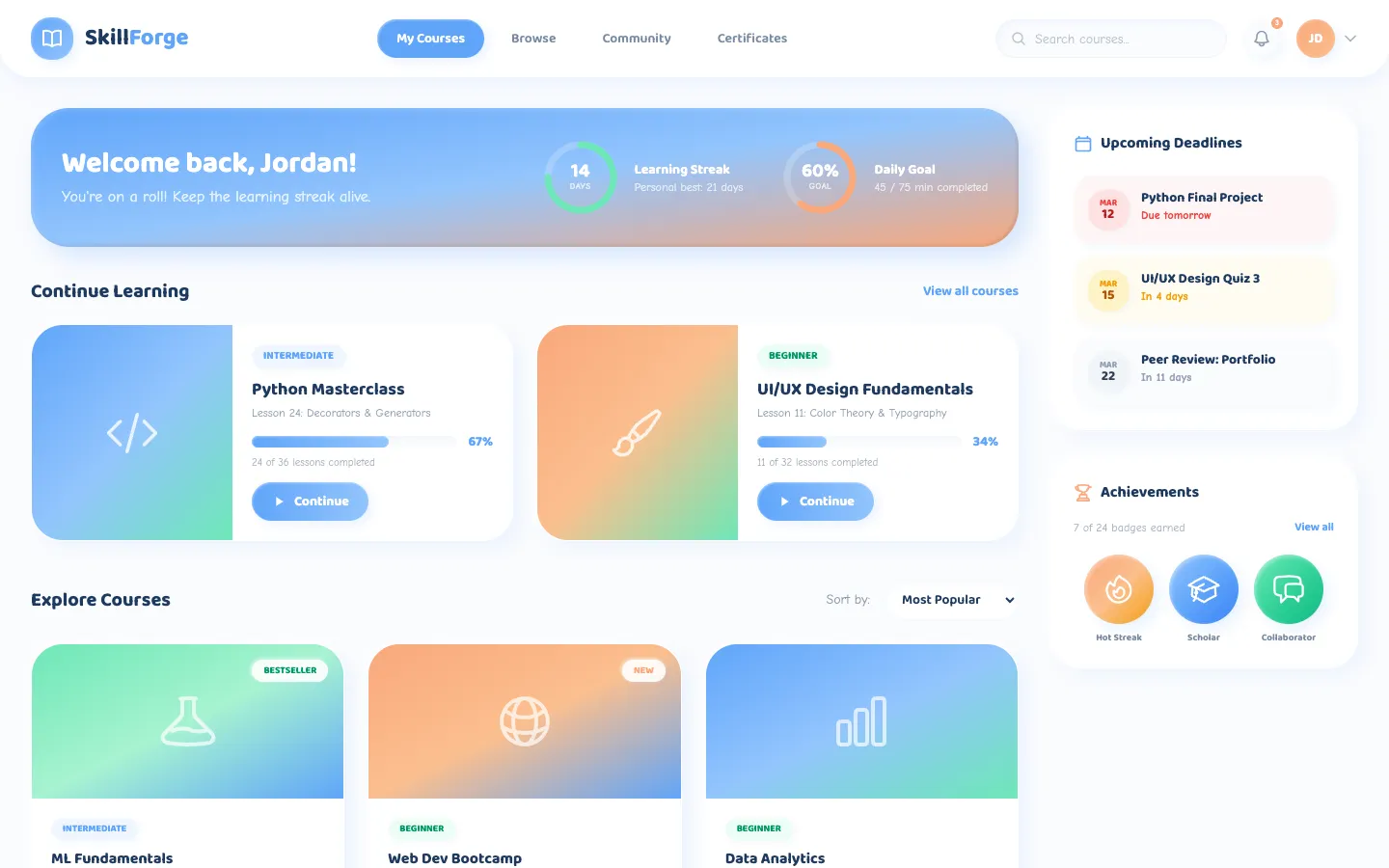
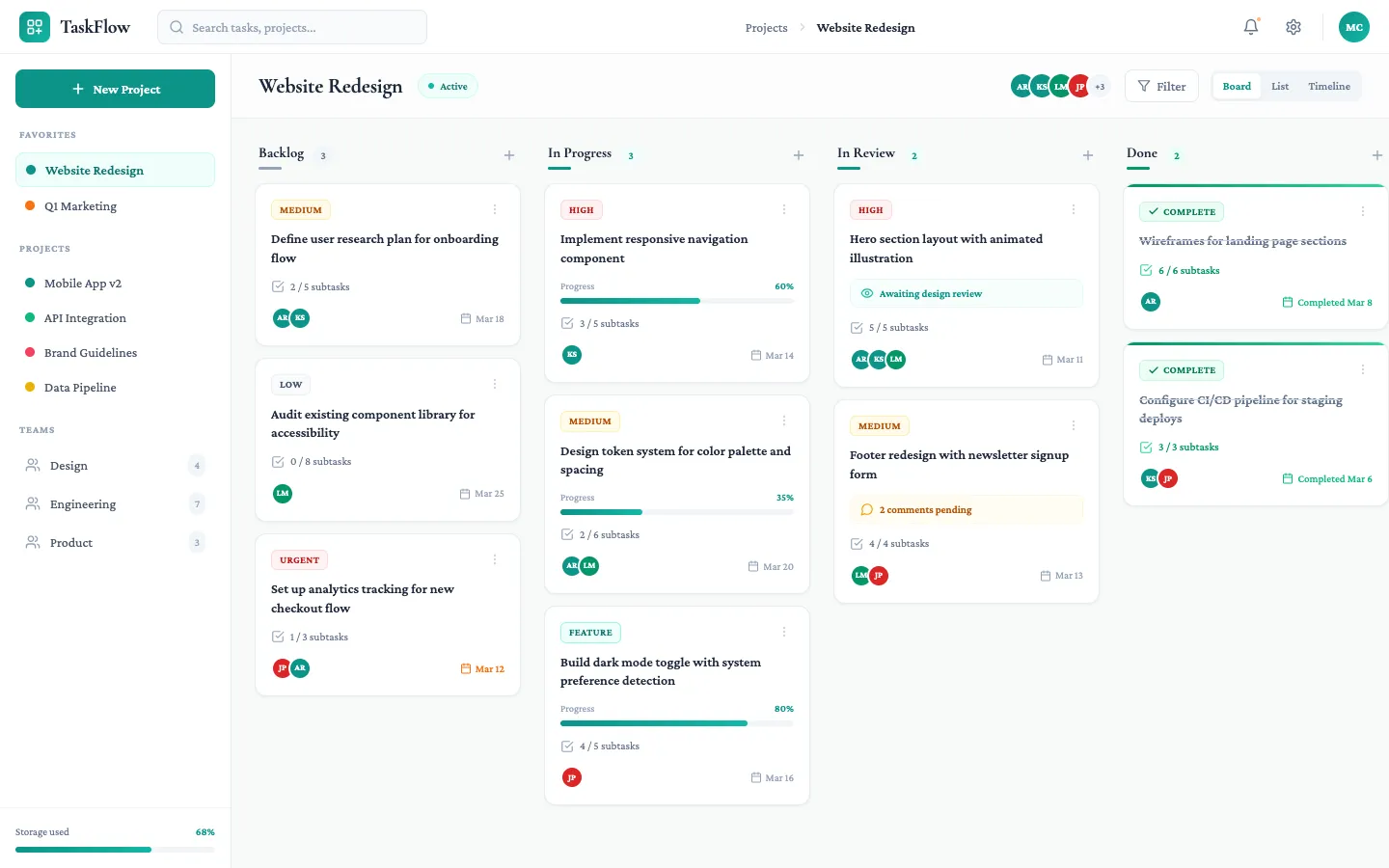
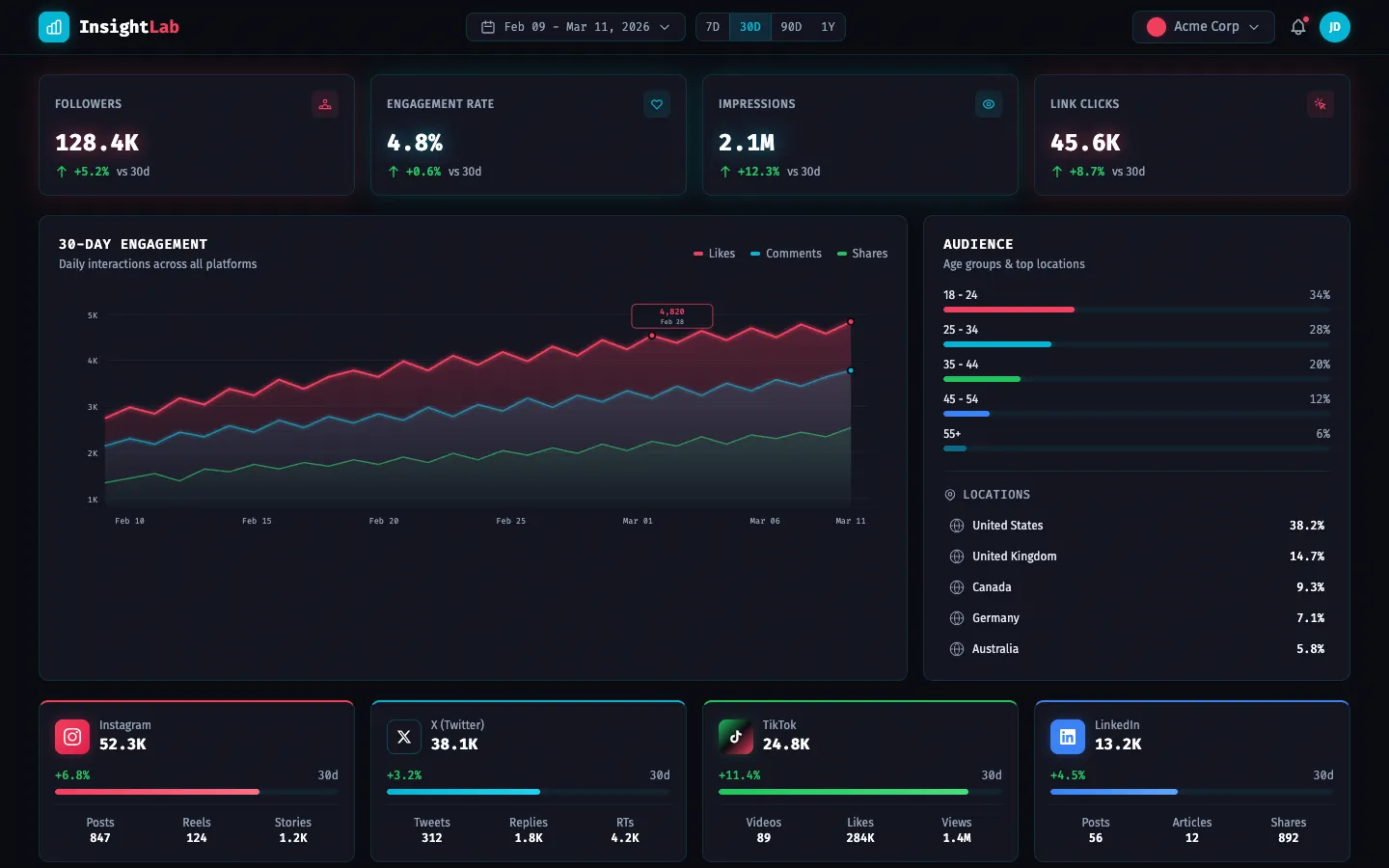
Real apps vibe-coded by AITraining2U graduates — dashboards, storefronts, booking systems and internal tools, each built in hours, not months. Explore the full showcase, every build with the prompt that made it.
Who is Vibe Coding For?
Vibe coding is not just for developers who want a faster workflow. It is explicitly designed to empower people who would never have considered building software before. Here are the profiles we see thriving in AITraining2U's Vibe Coding workshop:
- Non-technical founders who want to validate product ideas and build MVPs without waiting for or paying developers
- Product managers who want to prototype features and hand them to engineering teams as working demos rather than wireframes
- Marketing managers who want to build campaign landing pages, lead capture tools, and microsites without depending on a web agency
- HR teams who need internal tools — onboarding portals, leave trackers, performance review forms — but can't justify developer time
- Entrepreneurs testing a business idea who want a working product before committing to hiring engineers
- Operations managers who need custom tools that off-the-shelf software can't provide
The common thread is this: people with a clear idea of what they need but no pathway to build it — until now.
Vibe Coding vs Traditional Development
To understand the significance of vibe coding, it's worth comparing it to how software has traditionally been built:
| Dimension | Traditional Development | Vibe Coding |
|---|---|---|
| Time to working prototype | 3–6 months | 2 days |
| Cost | RM50,000–200,000 | RM500–3,000 in AI tools |
| Skills required | Years of programming study | Product thinking + 2-day workshop |
| Iteration speed | Weeks per change | Minutes to hours |
| Best for | Complex systems at scale | MVPs, internal tools, prototypes |
An important caveat: for complex production systems requiring enterprise-grade security, high-scale infrastructure, or intricate business logic, traditional software engineering is still the gold standard. Vibe coding excels at getting from idea to working product fast — the first 80% of the journey. For many internal tools and MVPs, that 80% is all you need.
The AI Product Development Framework: Spec, Vibe, Iterate, Ship
Good vibe coding is not random prompting. Every build in the workshop follows the same four-step loop:
- Spec — write a Product Requirements Document with AI so the frontend, backend and database are agreed before anything is built.
- Vibe — hand the spec to Google Antigravity or Claude Code and let the agent generate the first working version.
- Iterate — test it, describe what's wrong in plain English, and refine until it does exactly what you need.
- Ship — push to GitHub, deploy to Vercel, and put a live URL in front of real users. Their feedback becomes the next spec.
A Real Example: Building a Lead Capture App in 2 Hours
Here is a realistic scenario from one of AITraining2U's Vibe Coding workshop participants — a marketing manager at a Malaysian property developer.
She needed a dedicated landing page for a new township launch that would capture leads, ask qualifying questions (budget range, property type preference, timeline), and automatically send each submission to her WhatsApp so she could follow up within minutes. The agency quote was RM8,000 and a 3-week timeline.
In the workshop, she described what she needed to Claude Code: “Build me a lead capture form for a property development. It needs to ask for name, phone, email, budget range (dropdown from RM300k to RM2M+), property type preference, and timeline. On submit, it should save to a database and send a WhatsApp notification to my number.” Claude Code built the entire application — form, database, WhatsApp integration, confirmation email — in under two hours. She deployed it to Vercel before lunch. Total tool cost: under RM200.
Is Vibe Coding HRDC Claimable in Malaysia?
Yes. AITraining2U's AI Vibe Coding + Rapid Prototyping course is 100% HRDC claimable under the SBL-KHAS scheme. It is a 2-day hands-on workshop where participants build real, working apps using Claude Code and Google Antigravity. By the end of Day 2, every participant has a deployed, live application.
Companies contributing to the HRD Corp levy can claim up to the full course fee — so this training can cost eligible Malaysian employers RM0 net. See the course fees and how to claim below.
Fixed 2-Day Curriculum
The Vibe Coding Syllabus
A structured, hands-on path from idea to deployed app.
Day 1: PRD Drafting & UI Engineering
Phase 01- PRD Architecting: drafting Product Requirements Documents with AI to prevent scope creep and align frontend, backend and infrastructure from the start.
- Development Architecture: the basic stack — frontend, backend (APIs and serverless functions), database and hosting — so you can direct AI tools effectively.
- Building with Google AI Tools: Google Antigravity for full-stack scaffolds, Google Stitch for UI-to-code, and Google AI Studio for prototyping with Gemini.
- GitHub & Version Control: creating repositories, managing branches and keeping AI-generated code safe.
Example Day 1 projects
Day 2: Logic, Database & Deployment
Phase 02- Claude Code Orchestration: refactoring logic, handling API calls and building complex features with Skills, Plugins and CLI interfaces.
- Antigravity Advanced: Skills, Plugins and CLI interfaces inside Google Antigravity to automate multi-step builds.
- MCP Connectors & Integrations: connecting AI tools to databases, APIs, CRMs and business tools through Model Context Protocol servers.
- Backend & Database: Supabase and Firebase for data storage, user authentication and serverless functions.
- Deployment & CI/CD: deploying to Vercel with GitHub so every change goes live instantly.
Example Day 2 projects

Your instructor
Marcus Chia · UI/UX Director + Product Manager
Expert in translating user needs into functional AI-driven interfaces. Teaches how to use Antigravity and Claude Code to build polished, user-centric apps. LinkedIn
Transparent Pricing
Course Fee
Two days, one working app, and the skill to keep building. Both options include the full programme.
Self-Funded (non-HRDC)
Pay your own way and start building
RM 3,200 +8% SST
- 2 full days of in-person hands-on building
- Complete programme materials, prompts and templates
- Your own working app, deployed and live
- Certificate of Completion
- 3-month post-training WhatsApp group support
- Admission to the wider AI Learning Community
HRDC-Claimable
Upskill with your company's HRDC grant
RM 3,500 +8% SST
- Everything in the self-funded option
- Claimable up to 100% under SBL-KHAS
- We prepare and submit the HRDC paperwork
- No upfront payment for approved claims
- Attendance and completion records for your HR team
- Group rates for 10 participants or more
All fees are per participant and exclude 8% SST. For eligible employers the SBL-KHAS claim can cover up to 100% of the HRDC-claimable fee — so this can cost your company RM0 net.
Request Quotation
WhatsApp us for the official course outline and quotation for your finance or approval team.
Submit Grant
Apply via e-TRiS under the SBL-KHAS scheme at least 24 hours before the training date.
Approval & Attend
Once approved, your seat is confirmed. No upfront payment is required for SBL-KHAS claims.
Stop describing your idea. Start shipping it.
Next public cohort: 1–2 October 2026 at Worq Subang. Build real apps with Claude Code and Google Antigravity. No coding background needed.
Frequently Asked Questions
Common questions about vibe coding and our workshop in Malaysia.