
Most Malaysian teams have someone quietly using Claude to draft emails and clean up spreadsheets. That is not the same as a team that has been trained on it — one that knows which model to reach for, how to prompt so the output is trustworthy, and where the model should never be trusted at all. In 2026, with Anthropic shipping the Fable/Mythos tier above Opus, the gap between casual use and skilled use is worth real money. Here is what proper Claude training in Malaysia looks like, and how to fund it.
Why train on Claude specifically?
Claude has become the default choice for document-heavy and coding-heavy work — long-context reading, careful reasoning, and agentic coding through Claude Code. If your team lives in contracts, reports, reconciliations or software, Claude is often the strongest fit. Our Claude vs ChatGPT vs Gemini comparison goes through the trade-offs, but the short version: pick the tool your work actually rewards, then train people to use it well rather than poking at it.
What a good Claude curriculum covers
A serious programme is not a ChatGPT-prompts webinar with the logo swapped. It moves from fundamentals to building, and it uses your documents and workflows, not toy examples.
| Module | What the team learns | Who it’s for |
|---|---|---|
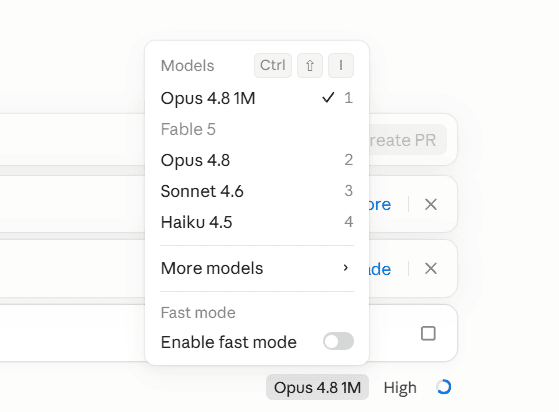
| 1. Claude & the model line-up | When to use Opus, Sonnet, Haiku and the Fable/Mythos tier; strengths vs ChatGPT and Gemini | Everyone |
| 2. Prompting that holds up at work | Structured prompts, context, system messages, avoiding hallucination on real documents | Everyone |
| 3. Claude for docs, email & analysis | Summarising, drafting, extracting from PDFs and spreadsheets, safe handling of company data | Ops, finance, admin |
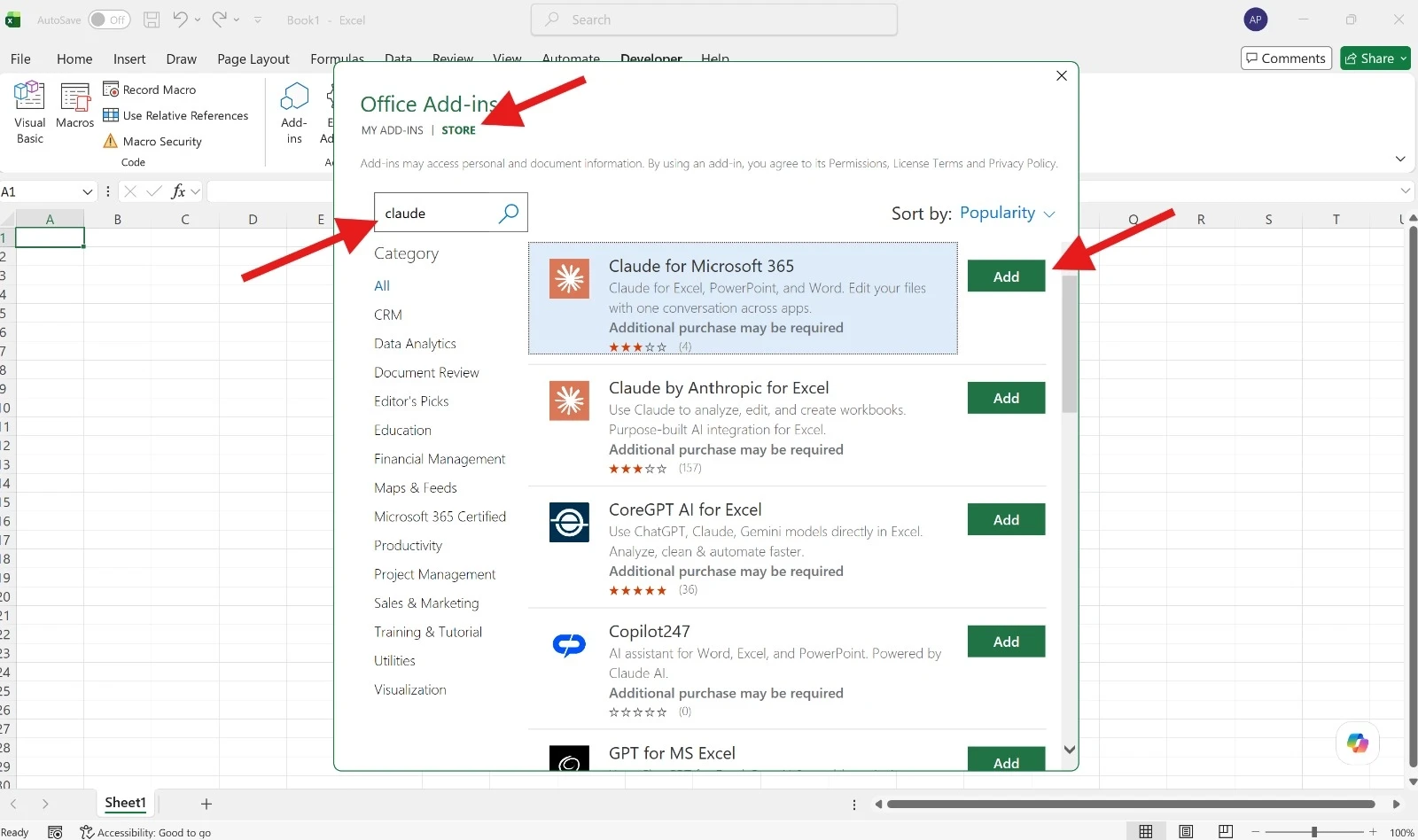
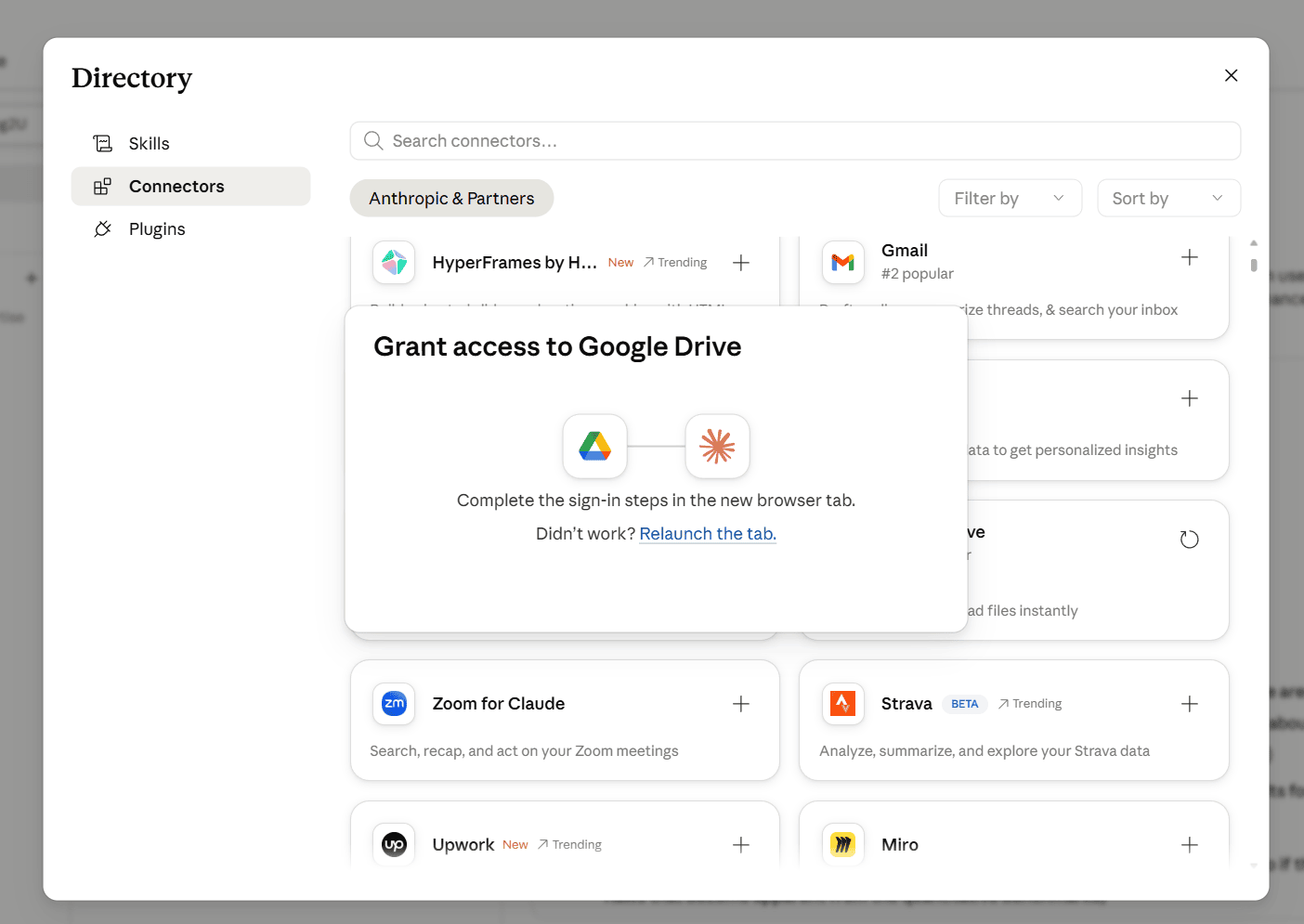
| 4. Claude Code & building agents | Claude Code, tool use, MCP connectors, wiring Claude into a workflow | Builders, IT, analysts |
| 5. Governance & safe deployment | Data policy, PDPA-aware use, review loops, where NOT to trust the model | Managers, IT, risk |
Public course or in-house?
Public/open classes suit one or two people who want the fundamentals fast. In-house training — delivered to your team, on your data — is where the ROI is, because the exercises become real work: your reconciliation, your proposal template, your support inbox. For most companies of 8 people or more, in-house pays back faster.
Who should attend
Resist sending only the IT team. The biggest gains come from the people doing repetitive knowledge work — finance, operations, admin, marketing, sales support — plus one or two builders who can wire Claude into workflows afterward with Claude Code and MCP. Mixed cohorts work best: the builders learn the business cases, the business staff learn what is now automatable.
How HRD Corp funding works
This is the part that changes the maths. Registered employers contribute a monthly HRD Corp levy; approved training is reclaimed through the SBL-KHAS scheme, often up to 100% of the course fee against your levy balance. For 2026, HRD Corp raised claim limits for AI, data and automation courses specifically, and SMEs can use the dedicated SME Skills Scheme. In practice, a levy-registered company can run a full Claude programme at little or no net cost. Our HRDC AI training page walks through the claim steps, and the same funding covers our broader AI Engineering track for teams that want to go deeper into agents and production systems.
How to choose a provider
Ask three questions. Does the trainer actually build with Claude, or just present slides? Will the exercises use your real documents? And is the provider an HRD Corp registered training provider so the claim is clean? If the answer to any is no, keep looking.